 Skip to content
If you’re new to the stock market, you may have already heard the term stop loss order. Many traders say that successful trading is not just about choosing the right stocks—it’s about protecting your capital. That’s exactly where a stop loss order plays an important role.
In this guide, we’ll break down what is stop loss, why it’s important, and how a stop loss trading strategy can help you minimize losses and trade confidently.
What Is Stop Loss? Stop Loss Meaning in Trading Explained
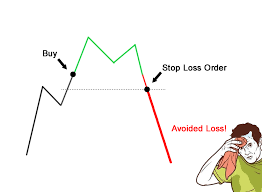
A stop loss order is an automatic instruction given to your broker to sell a stock when it reaches a pre-decided price. This helps limit potential losses if the market moves against your trade.
For example:
- You buy a stock at ₹500
- You set a stop loss at ₹470
- If the price drops to ₹470, your stock will automatically be sold
This prevents larger losses if the price continues falling.
So, when someone asks what is stop loss, the simplest answer is:
➡️ It is a safety tool that helps you protect your capital.
📈 Why Stop Loss Orders Are Essential
Trading without a stop loss order is like driving without brakes. Markets move fast, and emotions like fear and greed can lead to bad decisions. A stop loss takes emotions out of the trade and helps maintain discipline.
Key benefits of using a stop loss include:
- 🛡 Protection against big losses
- 💰 Better capital management
- 📊 No need to constantly monitor the market
- 🎯 Improves long-term trading performance
⚙️ Types of Stop Loss Orders
There are different types of stop loss orders, depending on your trading style:
1. Fixed Stop Loss
You set a fixed price level based on risk tolerance.
Example: Stop loss at ₹10 below your entry price.
2. Trailing Stop Loss
This moves upward with the price and locks in profits.
Example: If the price increases, the trailing stop loss automatically adjusts higher.
3. Percentage-Based Stop Loss
Set based on a percentage of investment value—commonly used in swing and positional trading.
Understanding these types helps traders build a better stop loss trading strategy.
🧠 Stop Loss Trading Strategy: How to Use It Smartly
A good stop loss trading strategy ensures you place stop losses at logical levels—not too tight, not too wide.
Here’s how to place it effectively:
1. Use Support and Resistance Levels
Stop loss should be placed below support for buy trades and above resistance for sell trades.
2. Use Technical Indicators
Indicators like Moving Averages, ATR (Average True Range), or Fibonacci levels can help identify accurate stop loss levels.
3. Avoid Emotional Trading
Never shift your stop loss out of fear or hope. Stick to your plan.
4. Risk-Reward Ratio
A common professional approach is:
➡️ Risk 1 to gain 2 or more.
That means if your stop loss is ₹10, your target should be ₹20 or above.
🚫 Common Mistakes Traders Make
Many beginners misunderstand what is stop loss and end up using it incorrectly. Avoid these mistakes:
❌ Placing stop loss too close to price
❌ Not using stop loss at all
❌ Changing stop loss frequently
❌ Following random stop loss levels without a plan
A disciplined approach ensures your stop loss trading strategy supports long-term success.
📌 Final Thoughts
A stop loss order is not just a trading feature—it’s a risk-management tool that protects your money. Beginner traders often focus on profits, but professional traders first focus on how to protect their capital.
Understanding what is stop loss and applying a solid stop loss trading strategy helps avoid emotional decisions, reduces losses, and improves your confidence in the market.
At 4R Investments, we help beginners trade confidently with the right tools, risk management strategies, and expert guidance.
If you want to learn more about stop loss trading strategy or start investing smartly, we’re here to support you.
📞 6300169336 | 🌐 www.4rinvestments.in | 📧 contact@4rinvestments.in
